
Proper attic ventilation is one of the most overlooked yet cost-effective ways to protect your roof and enhance comfort in your home. In Salt Lake Valley, where summers can soar into the high 90s and winters bring heavy snow to Magna, the need for good attic airflow is especially important. Attic ventilation works year-round, helping to reduce heat buildup during late summer and prevent moisture concerns and ice damming through the winter. Understanding how attic ventilation works and recognizing the signs of poor airflow can ultimately help you save on utility bills, avoid roofing problems, and extend the lifespan of your investment.
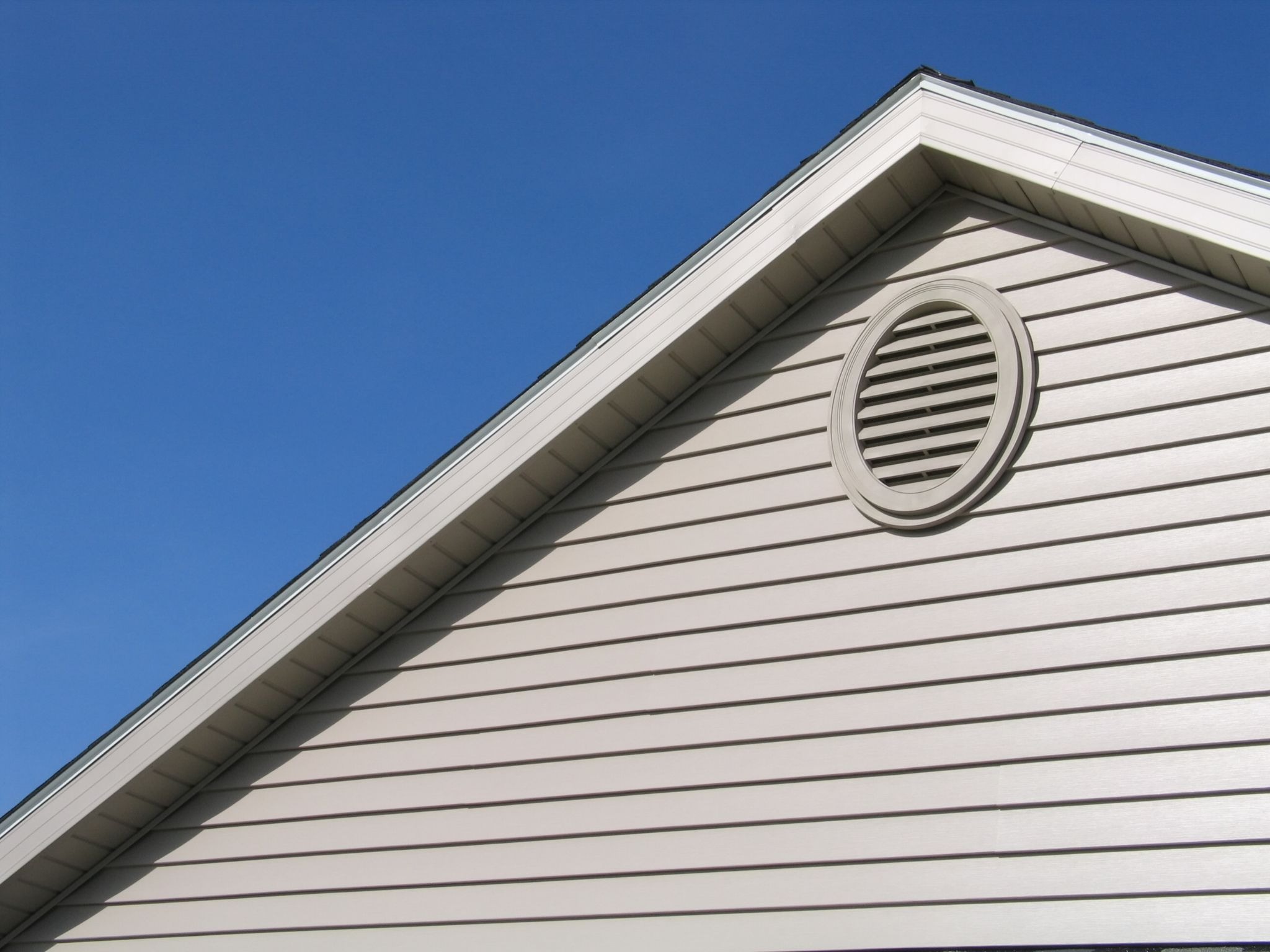
How Attic Ventilation Mitigates Summer Heat Buildup
During Salt Lake Valley’s intense summer months, the attic can reach temperatures far above the outside air at times nearing 150 degrees Fahrenheit. Without proper airflow, trapped heat radiates down into upper floors, making bedrooms and living areas uncomfortable and forcing air conditioning systems to work overtime. Upgrading to well-balanced attic ventilation typically combining soffit vents for intake and ridge or roof vents for exhaust creates continuous airflow that flushes out hot air before it can impact your home.
Not only does this keep your interior spaces cooler, it reduces cooling costs by allowing HVAC systems to run more efficiently. Homeowners frequently notice that their upstairs rooms are less stifling, and utility bills drop during the late summer when ventilation is properly installed.
Preventing Moisture and Winter Ice Dams
Salt Lake Valley winters bring heavy snowfall, and with the freeze-thaw cycle, poorly ventilated attics are prone to trapped moisture and ice dam formation on roof edges. Insufficient ventilation allows heat to collect in the attic and melt the underside of the rooftop snow. That water refreezes at the eaves, creating ice dams that cause water to back up beneath shingles, leading to leaks, rot, and costly repairs.
Good attic ventilation equalizes attic temperatures with the outside air, reducing the risk of this repetitive freeze-melt process. Along with proper insulation, this approach prevents condensation, mold, and premature roof aging, common problems for many local homeowners.
Common Signs of Poor Attic Airflow
It’s not always easy to spot ventilation issues until they cause visible damage. However, you should pay attention to these warning signs:
-
Hot upstairs rooms even after HVAC use
-
Curled, cracked, or prematurely aging shingles
-
Musty odors or visible mold in attic insulation
-
Ice dams or icicles along roof edges in winter
-
Increased energy bills with no other explanation
Left unchecked, these issues can shorten your roof’s lifespan and cause costly damage to your home’s structure and interiors.
Increase Roof Longevity with Ventilation Upgrades
Attic ventilation is an affordable improvement that delivers lasting value. By investing in professional roof inspections and tailored ventilation solutions, homeowners maximize the performance of their roofing system and prevent unexpected repairs. Many Salt Lake Valley residents are surprised to learn how a ventilation upgrade can extend roof life, maintain manufacturer warranties, and even improve indoor air quality.
Modern solutions, such as continuous ridge vents or smart power vents combined with adequate intake (soffit) ventilation, are easy to add during a new installation or as a retrofit. Local roofers, like Hancock Signature Roofing, know the specific weather challenges faced in Magna and can design custom systems to help your home stay cooler in summer and drier in winter.
Schedule Your Attic Ventilation Assessment in Magna, UT
If you’ve noticed warning signs of ventilation problems or want to learn more about lowering energy bills and preventing winter roof issues, Hancock Signature Roofing in Magna, UT is ready to help. Contact the professionals today at (801) 382-8898 or fill out our online form to schedule your attic ventilation assessment. Discover how a simple upgrade can make your Salt Lake Valley home more comfortable and protect your roofing investment year-round.